

Modular Smartphone Design is becoming an important part of the conversation around sustainable technology in 2026. Instead of treating a smartphone as a device that should be replaced whenever one component fails, manufacturers, regulators, repair companies, and consumers are increasingly focusing on longer product lifetimes, easier repairs, replaceable components, and better access to spare parts. The European Union has already introduced rules that push smartphones sold in its market toward greater durability, repairability, battery longevity, and software support.
The idea behind Modular Smartphone Design is simple: if one part becomes damaged or outdated, the entire phone should not necessarily become waste. A replaceable battery, display, camera, charging port, or other component can potentially extend the useful life of the device. However, modern modularity does not always mean that every smartphone component can simply be pulled out and replaced like a computer accessory. The 2026 smartphone market is moving toward different levels of repairability and modular construction rather than one universal design.
Table of Contents
- What Is Modular Smartphone Design?
- Why Modular Smartphone Design Is Growing in 2026
- Repairable Batteries and Displays
- Modular Smartphone Design and Camera Upgrades
- Right to Repair and Smartphone Regulations
- How Modular Design Can Reduce Electronic Waste
- The Future of Modular Smartphone Design
- Modular Smartphone Design Comparison Table
- Modular Smartphone Design Trend Graph
- Final Thoughts
What Is Modular Smartphone Design?
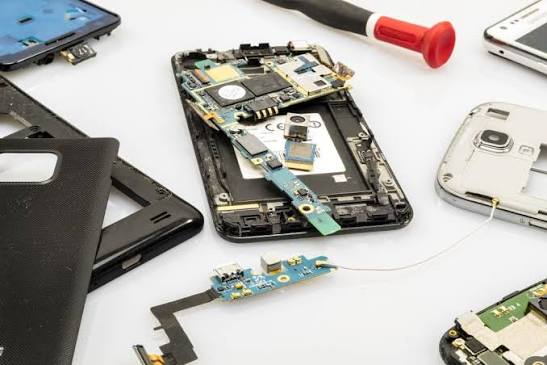
Modular Smartphone Design refers to designing a phone so that individual components can be repaired, replaced, upgraded, or accessed more easily than in a highly sealed device. Traditional smartphones often combine components tightly together with adhesives, compact assemblies, and specialized repair procedures. This approach can make devices thinner and more resistant to water, but it can also make certain repairs more complicated.
A more repair-focused design separates important components or makes them easier to access. Batteries are one of the clearest examples. When a battery loses capacity, replacing the battery can potentially give the phone several additional years of useful life instead of requiring the owner to purchase another device.
The European Commission’s smartphone ecodesign rules, which began applying to smartphones placed on the EU market from June 20, 2025, include requirements related to repairability, spare parts, battery durability, and software upgrades.
Why Modular Smartphone Design Is Growing in 2026
The growth of Modular Smartphone Design is connected to several changes happening at the same time. Consumers are paying more attention to repair costs and product longevity, while governments are introducing policies intended to reduce premature disposal of electronics.
The EU’s new repair rules also started applying from July 31, 2026. For products covered by the relevant requirements, consumers can request repair from manufacturers under specified conditions, while manufacturers must provide repair information and access to spare parts at reasonable prices.
This does not mean that every smartphone in 2026 is fully modular. Instead, the market is gradually moving toward a model where repairability becomes an important part of product design and consumer information.
For technology companies, this shift can also create new business opportunities. Instead of focusing only on selling a completely new phone every few years, manufacturers and repair networks can support replacement components, batteries, displays, and longer software lifecycles.
Repairable Batteries and Displays With Modular Smartphone Design
Battery replacement is one of the most important areas of Modular Smartphone Design because batteries naturally lose capacity over time. A phone may still have a powerful processor, excellent camera, and modern software, but a worn battery can make the device inconvenient to use.
EU ecodesign requirements state that certain smartphone spare parts, including batteries and display assemblies, must remain available for specified periods. The rules also require other components such as cameras, charging ports, buttons, microphones, and speakers to be available under defined conditions.
Display repair is another major opportunity. A broken screen does not necessarily mean the phone itself has reached the end of its useful life. A design that makes display replacement more practical can help preserve the value of the rest of the device.
This is where Modular Smartphone Design can change the economics of smartphone ownership. Instead of treating a damaged component as a reason to replace an entire phone, repair becomes a realistic alternative.
Modular Smartphone Design and Camera Upgrades
Cameras are another interesting area for Modular Smartphone Design. Smartphone photography continues to evolve, and camera hardware can become a major reason consumers consider upgrading.
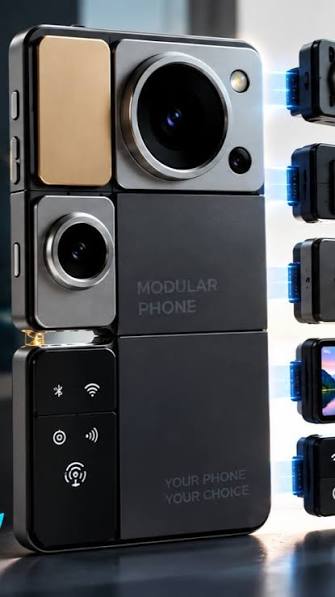
A genuinely modular camera system could allow users to replace a camera component without replacing the entire smartphone. However, camera upgrades are technically more complicated than simply changing a physical sensor. Software compatibility, image processing, calibration, power requirements, dimensions, and device firmware all have to work together.
For this reason, the future of Modular Smartphone Design may not necessarily involve consumers replacing every camera module themselves. Instead, manufacturers could create standardized repairable camera assemblies that authorized repairers or skilled users can replace more easily.
The same concept could apply to charging ports, speakers, microphones, buttons, and other components. EU rules already identify several of these parts within smartphone spare-parts requirements.
Right to Repair and Modular Smartphone Design
The relationship between Modular Smartphone Design and the Right to Repair movement is becoming stronger in 2026. Right to Repair is based on the idea that consumers should have meaningful opportunities to maintain and repair products instead of being forced toward replacement.
The EU Directive on repair of goods began applying on July 31, 2026. It establishes measures designed to encourage repair, including obligations concerning repairable products covered by EU rules, repair information, and access to spare parts.
For smartphones, the practical impact is particularly important because phones are frequently replaced even when only one component has failed. The EU’s smartphone ecodesign framework also includes repairability information and requirements around spare parts and software support.
This makes repairability more visible to consumers. Instead of choosing a phone based only on camera quality, processor speed, and screen resolution, buyers can increasingly consider how long the device can realistically remain useful.
How Modular Smartphone Design Can Reduce Electronic Waste
Modular Smartphone Design can contribute to reducing electronic waste by extending the useful life of devices. If a phone remains functional after its battery, display, charging port, or another component is replaced, fewer complete devices may need to be discarded.
The global e-waste challenge is substantial. The Global E-waste Monitor tracks the worldwide growth of electrical and electronic waste and highlights the environmental and resource consequences of increasing electronics consumption.
However, it would be inaccurate to claim that modular smartphone design has already reduced global smartphone e-waste by a specific 30% in 2026 without reliable evidence. The real environmental benefit depends on whether consumers actually repair devices, whether replacement parts are affordable, how long software support lasts, and what happens to old components after replacement.
The strongest benefit of Modular Smartphone Design therefore comes from extending product life rather than simply changing the physical appearance of smartphones.
Modular Smartphone Design and Five-Year Phone Ownership
One of the biggest changes could be the way people think about smartphone ownership. A phone that receives long-term software updates and allows important components to be repaired can remain useful for considerably longer.
The European Commission estimates that the EU smartphone ecodesign measures could increase the average lifetime of a mid-range smartphone from around 3.0 years to 4.1 years.
That difference is significant because extending the life of a device means consumers can delay purchasing another complete smartphone. It also means the materials, energy, manufacturing processes, and transportation associated with producing a replacement device are spread over a longer period of use.
Modular Smartphone Design therefore connects hardware engineering with a broader circular-economy approach.
The Future of Modular Smartphone Design
The future of Modular Smartphone Design is likely to be more practical than the fully interchangeable phones imagined in science-fiction concepts. Manufacturers still need to balance repairability with water resistance, durability, thinness, performance, manufacturing costs, and safety.
A phone designed for easy repair may use different internal structures from a phone optimized only for compactness. Manufacturers therefore need to find ways to make components accessible without sacrificing reliability.
Another important factor is software. A replacement component is useful only if the operating system and firmware can recognize and operate it correctly. EU requirements already address access to certain software and firmware tools needed for replacement of serialised parts.
This means future modularity could become a combination of physical repairability and software compatibility. The smartphone of the future may not be completely modular, but it could be substantially easier to maintain than many older sealed designs.
Modular Smartphone Design Comparison Table
| Feature | Traditional Sealed Design | Repair-Focused Design | Advanced Modular Design |
|---|---|---|---|
| Battery replacement | More difficult | Easier | Highly accessible |
| Display repair | Often complex | More practical | Designed for replacement |
| Camera replacement | Usually specialist repair | Supported replacement | Potential module upgrades |
| Charging-port repair | Often requires disassembly | More accessible | Replaceable component |
| Spare-parts access | Variable | Stronger | Designed around availability |
| Product lifespan | Depends heavily on battery/software | Potentially longer | Potentially much longer |
| E-waste potential | Higher when repairs are uneconomical | Lower through repair | Lower when upgrades replace full-device purchases |
Modular Smartphone Design Trend Graph
The following conceptual graph shows how the focus of smartphone design is shifting from simple device replacement toward durability, repairability, and modular thinking. It is a trend illustration rather than measured market-share data.
Smartphone Design Priorities

Traditional Design
Performance        ██████████
Repairability     ███
Upgradeability    ██
Longevity          █████

2026 Repair Focus
Performance        █████████
Repairability      ████████
Upgradeability     █████
Longevity          █████████

Future Modular Focus
Performance        █████████
Repairability      ██████████
Upgradeability     █████████
Longevity          ██████████
The direction is also reflected in EU policy. Smartphone rules now place greater emphasis on durability, repairability, spare parts, battery performance, and software support rather than focusing only on the initial purchase.
Why Modular Smartphone Design Matters for Consumers
For consumers, Modular Smartphone Design could eventually make smartphone ownership less expensive and less wasteful. A user who can replace a battery or display instead of purchasing an entirely new phone has another option when a device begins to age.
It may also make the second-hand market more attractive. A five-year-old phone with a replaceable battery, reliable software support, and accessible spare parts can have more practical value than an older device that is difficult or expensive to repair.
Repairability can also make technology ownership more transparent. When manufacturers provide information about spare parts, repair processes, durability, and expected software support, consumers have more information when comparing devices.
Final Thoughts on Modular Smartphone Design
Modular Smartphone Design is not yet a universal reality where every smartphone component can be swapped like a Lego brick. Instead, 2026 represents an important transition toward longer-lasting, more repairable, and more resource-efficient smartphones.
EU regulations are pushing manufacturers toward better repairability, spare-parts availability, battery durability, and longer software support. The Right to Repair framework is adding another layer by making repair a more important part of consumer policy.
The biggest change may ultimately be cultural. A smartphone does not necessarily need to be considered outdated simply because one component fails or becomes weaker. If manufacturers continue improving Modular Smartphone Design, the future phone could be defined less by how quickly it is replaced and more by how long it can remain useful.
 administratoir16