
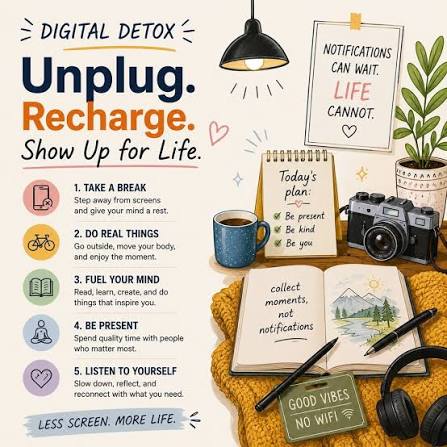
Digital Detox Trends are changing in 2026 as people rethink their relationship with highly personalized technology. Streaming platforms, social networks, shopping apps, search engines, and AI assistants can increasingly predict what users might want next. While this personalization can make digital experiences faster and more convenient, constant optimization may also make online life feel repetitive or overwhelming.
The new generation of Digital Detox Trends is not necessarily about abandoning technology completely. Instead, the focus is shifting toward intentional technology use, more control over recommendations, fewer interruptions, and opportunities for unexpected experiences. Features such as notification controls, screen-time tools, non-personalized discovery, and experimental “chaos modes” reflect a growing interest in creating healthier digital habits.
Table of Contents
- What Are Digital Detox Trends?
- The Rise of Digital Overload
- Why People Want More Digital Friction
- Chaos Modes and Random Discovery
- Digital Detox Trends and Social Media
- AI Personalization and User Choice
- Healthier Digital Habits
- The Future of Digital Detox Trends
- Final Thoughts
What Are Digital Detox Trends?
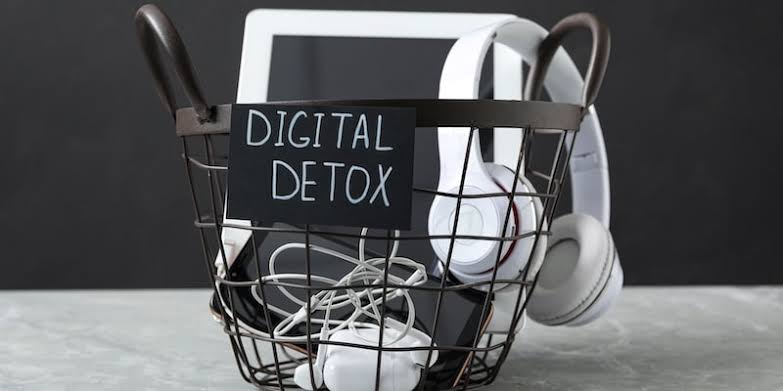
Digital Detox Trends describe changing habits and technologies designed to help people use digital devices more intentionally. Traditional digital detox approaches often involved taking a complete break from smartphones, social media, or the internet.
Modern approaches are becoming more flexible. Instead of disconnecting entirely, users may reduce unnecessary notifications, create technology-free periods, remove distracting applications, or intentionally introduce less personalized content into their digital experiences.
The goal is not to treat all technology as harmful. Digital tools can provide communication, education, entertainment, productivity, and access to information. The challenge is finding a balance where technology supports people’s goals rather than constantly demanding attention.
The Rise of Digital Overload
One reason Digital Detox Trends are gaining attention is the sheer amount of information available through connected devices. A typical smartphone can deliver messages, alerts, recommendations, advertisements, news updates, videos, and social content throughout the day.
Personalization can make this experience even more engaging because algorithms learn from previous behavior. When someone watches a particular type of video, the system can recommend similar content. When someone searches for a product, related products may appear immediately.
This convenience can reduce the effort required to find something relevant, but it can also create a highly predictable digital environment.
Digital Fatigue and Constant Notifications
Notifications are another important part of the conversation around Digital Detox Trends. Every alert creates an opportunity to interrupt whatever a person is currently doing.
Reducing unnecessary notifications can create more uninterrupted time for work, study, conversations, hobbies, or rest. Modern digital-wellness features increasingly give users more control over which applications are allowed to interrupt them.
Why People Want More Digital Friction
Efficiency is one of the biggest advantages of modern technology, but maximum efficiency is not always the same as maximum enjoyment. People sometimes appreciate discovering something they were not actively searching for.
This idea is becoming relevant to Digital Detox Trends because recommendation algorithms often optimize for predicted relevance. If a platform already knows what a user likes, it can keep presenting similar options.
Introducing some randomness can create a different experience. Instead of always selecting something based on previous behavior, users can encounter unfamiliar music, films, books, articles, locations, or activities.
The Value of Serendipity
Serendipitous discovery can encourage people to explore outside their usual preferences. A random recommendation may not always be better or more interesting, but the unpredictability itself can make digital experiences feel less repetitive.

This does not mean personalization should disappear. Instead, Digital Detox Trends increasingly explore the possibility of giving users a choice between optimized recommendations and open-ended discovery.
Chaos Modes and Random Discovery
One of the more unusual ideas connected with Digital Detox Trends is the concept of a “chaos mode.” In a chaos mode, an application could intentionally reduce personalization and introduce unexpected recommendations.
Imagine a streaming service that normally predicts exactly what you want to watch. A chaos mode could instead recommend something from a completely different category. A music application could move away from familiar artists and introduce unfamiliar genres.
These concepts can be implemented in different ways, and not every app currently offers a feature specifically called “chaos mode.” The broader trend is about giving users more control over how recommendations are generated.
Random Recommendations
Random discovery can also work outside entertainment. Shopping platforms, reading applications, travel tools, and learning services could potentially provide an optional exploration mode that exposes users to content outside their established behavior patterns.
The important part is user choice. People should be able to decide when they want highly personalized results and when they want something unexpected.
Social media is another major area where Digital Detox Trends are developing. Social platforms are designed to help users discover content that is likely to interest them, but endless personalized feeds can encourage prolonged browsing.
Modern digital-wellness strategies can involve setting usage limits, turning off selected notifications, removing applications from the home screen, or creating specific times for checking social platforms.
Some users may also benefit from following fewer accounts and deliberately choosing a wider variety of sources. This can make the experience feel more intentional rather than completely driven by an algorithmic feed.
Breaking Repetitive Feeds
A more diverse feed can expose users to ideas and subjects outside their normal interests. This does not automatically eliminate algorithmic influence, but it can create more room for exploration.
The broader goal of Digital Detox Trends is therefore not necessarily to reject algorithms. It is to give people more control over when algorithms optimize their experience and when they step outside that optimization.
AI Personalization and User Choice
Artificial intelligence is making personalization increasingly sophisticated. AI systems can analyze preferences, behavior, context, and previous interactions to generate highly individualized recommendations.
This development makes Digital Detox Trends particularly relevant. As AI becomes better at predicting what users want, people may also want tools that deliberately reduce prediction.
An AI assistant could potentially offer different modes, such as a highly personalized experience for efficiency and a discovery-oriented experience designed to provide alternatives.
Personalization With Boundaries
The future may not be about choosing between AI and no AI. Instead, users could have greater control over how much personalization they want.
A person might choose maximum personalization while working but switch to a less optimized discovery mode during leisure time. This approach treats personalization as a setting rather than something that must always remain active.
Healthier Digital Habits
Healthy technology use is another major part of Digital Detox Trends. Small changes can sometimes be more sustainable than attempting a complete digital shutdown.
Creating device-free periods can help people protect time for sleep, exercise, meals, conversations, and hobbies. Similarly, reducing unnecessary alerts can make smartphones less disruptive throughout the day.
The right approach differs from person to person. Some people may benefit from strict screen limits, while others may simply need better notification settings and clearer boundaries between work and personal time.
Designing Better Digital Routines
A useful digital routine should fit naturally into everyday life. Instead of constantly checking a phone whenever a notification appears, users can choose specific periods for messages, social media, and other digital activities.
These habits can make technology feel more like a tool that people control rather than an environment that constantly captures attention.
Digital Detox Trends in 2026
| Trend | Main Idea | Potential Benefit |
|---|---|---|
| Chaos Modes | Randomized recommendations | More discovery |
| Notification Control | Fewer interruptions | Better focus |
| Screen-Time Tools | Usage awareness | More intentional habits |
| Non-Personalized Feeds | Less algorithmic filtering | Broader exploration |
| Device-Free Periods | Scheduled disconnection | Better digital boundaries |
| AI Controls | Adjustable personalization | More user agency |
| Digital Minimalism | Fewer unnecessary apps | Simpler digital life |
Digital Detox Trends Growth Concept
The following conceptual graph shows the shift from constant personalization toward a more balanced digital experience:
Constant Personalization
          │
          ▼
    Digital Overload
          │
          ▼
   User Awareness
          │
     ┌────┴────┐
     ▼         ▼
Personalized   Random
  Mode        Discovery
     │         │
     └────┬────┘
          ▼
   More User Control
          │
          ▼
 Balanced Digital Life
This is a conceptual model showing how digital-wellness strategies can create more user choice rather than suggesting that personalization itself is harmful.
The Future of Digital Detox Trends
The future of Digital Detox Trends may involve technology that gives users more control over recommendation systems. Instead of platforms deciding how personalized every experience should be, users could receive clearer settings for choosing between efficiency, exploration, and intentional disconnection.
AI could make this even more flexible. A digital assistant might understand when a person wants focused productivity and when they want to discover something completely different.
The most interesting change may therefore be a shift from “technology that knows what you want” toward “technology that lets you decide how much it should predict.”
Final Thoughts
Digital Detox Trends are evolving beyond the traditional idea of simply turning off a smartphone. In 2026, the conversation is increasingly about digital agency, intentional use, recommendation control, and creating space for unexpected experiences.
Personalization remains useful because it saves time and makes digital services easier to navigate. At the same time, users may want opportunities to escape highly optimized feeds and discover things they would not normally encounter.
The future of digital wellness may not require less technology. Instead, it may require more choice over how technology behaves. By combining personalization with intentional randomness, stronger boundaries, and user-controlled settings, digital experiences can become more flexible and engaging.
 administratoir16