
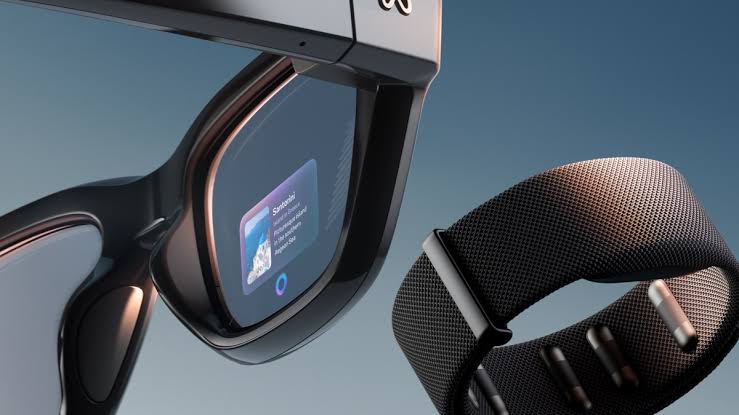
Spatial Computing is entering a new phase in 2026 as computing experiences increasingly move from traditional screens toward wearable devices. Instead of requiring users to hold a smartphone or wear a large headset, newer smart glasses are bringing digital information closer to the user’s everyday environment.
The smart-glasses market now includes several different categories, from display-less AI glasses to devices with transparent displays and more advanced augmented-reality capabilities. IDC reported strong growth in the smart-glasses category during Q1 2026, while display-equipped eyewear also recorded significant year-over-year growth.
Table of Contents
- Spatial Computing Moves Into Smart Glasses
- From Headsets to Everyday Eyewear
- The Rise of Waveguide Displays
- Digital Information in the Physical World
- AI-Powered Spatial Experiences
- Navigation and Real-World Assistance
- Virtual Screens for Work and Entertainment
- Privacy and Social Challenges
- The Future of Spatial Computing
Spatial Computing Moves Into Smart Glasses
Spatial Computing connects digital information with the physical environment around the user. Instead of keeping digital content inside a phone or computer monitor, spatial technologies can place information into the user’s field of view or make digital objects respond to physical surroundings.
This concept has existed for years through virtual-reality headsets, augmented-reality devices, and mixed-reality systems. In 2026, however, the industry is increasingly experimenting with lighter glasses-based designs that are easier to carry and wear.
The transition is not happening through one single type of device. Some smart glasses focus on AI, cameras, audio, and voice interaction, while others add displays for digital information.
From Headsets to Everyday Eyewear
The earlier image of spatial computing was often associated with large headsets. Newer products are moving toward glasses-style designs that can be used for longer periods and fit more naturally into everyday life.
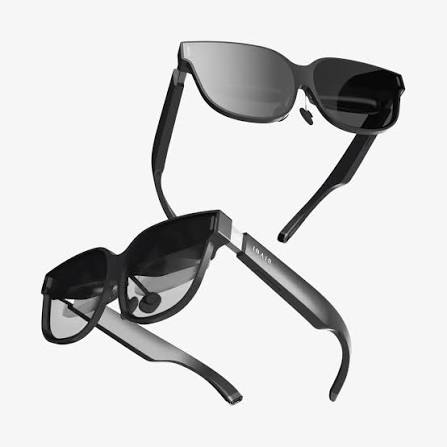
IDC describes 2026 as a major year for smart glasses, reporting that display-less smart glasses shipped approximately 2.25 million units in Q1 alone, representing substantial year-over-year growth.
This does not mean bulky headsets have disappeared. Instead, the market is expanding into multiple form factors, including everyday AI glasses, display glasses, AR glasses, and mixed-reality headsets.
Spatial Computing Becomes More Portable
Portability is one of the major advantages of glasses-based computing. A user can potentially access information without taking a phone out of a pocket or carrying a large computer.
This makes Spatial Computing particularly interesting for travel, productivity, navigation, communication, and entertainment.
The Rise of Waveguide Displays
Waveguide technology is an important part of transparent AR glasses. A waveguide is an optical system that directs projected light through a transparent lens toward the user’s eye, allowing digital imagery to appear while the physical world remains visible.
The technology is technically challenging because manufacturers have to balance brightness, field of view, optical efficiency, weight, image quality, and the size of the glasses.
Recent research and industry development continue to explore different waveguide approaches, including reflective and diffractive designs.
Spatial Computing and Transparent Displays
Transparent displays can make Spatial Computing feel more connected to the physical environment. Instead of replacing the real world, digital information can appear alongside it.
XREAL, for example, describes its upcoming AURA glasses as a spatial-computing device with an optical see-through display and a glasses-style form factor.
Digital Information in the Physical World
One of the most interesting possibilities of Spatial Computing is the ability to connect digital information with physical surroundings.
A future AR system could display directions while a person walks through a city, provide contextual information about objects, or place digital labels over relevant locations.
The difference from a smartphone is the presentation. Instead of looking down at a map, information can potentially appear within the user’s view.
This approach could make digital information feel more integrated with everyday activities.
AI-Powered Spatial Experiences
Artificial intelligence is becoming closely connected with smart glasses. AI assistants can process voice commands, understand visual information, answer questions, and provide contextual assistance.
XREAL’s AURA, for example, is being developed with Gemini-based AI assistance designed to understand what the user sees and what is around them, with user permission.
This combination of AI and Spatial Computing could create more interactive experiences. A user may not need to manually search for information because the system can potentially interpret the environment and respond conversationally.
Spatial Computing Becomes Context-Aware

Context awareness could eventually become one of the defining characteristics of smart glasses. Cameras, sensors, microphones, positioning systems, and AI models can work together to understand aspects of the user’s surroundings.
However, context-aware computing also creates important privacy questions because these devices can potentially observe environments and people around the wearer.
Navigation is one practical application of Spatial Computing. Instead of constantly checking a smartphone, users could potentially see directional information while looking ahead.
Digital arrows, location information, translated text, or points of interest could appear within the visual field when supported by the hardware.
This could be particularly useful for travelers and people exploring unfamiliar locations. However, reliability is essential because inaccurate visual guidance could create safety problems.
Virtual Screens for Work and Entertainment
Another major use case for Spatial Computing is creating virtual displays. Smart glasses can potentially provide a large private viewing area without requiring a physical monitor or television.
This can be useful for watching movies, gaming, reading, or working with multiple digital windows. Some display glasses already target personal-screen experiences, while newer spatial-computing products are moving toward more advanced interaction and environmental awareness.
The appeal is simple: a lightweight pair of glasses could potentially provide a much larger perceived screen than the physical size of the device suggests.
Spatial Computing and Mobile Productivity
For remote workers and travelers, virtual displays could reduce the need to carry multiple physical screens. A laptop or mobile device could provide the computing power while the glasses act as a personal visual interface.
This creates a hybrid model in which the physical computer and wearable display work together.
The growth of Spatial Computing also brings serious privacy considerations. Smart glasses can include cameras, microphones, location services, and AI features that process information about the surrounding environment.
Recent reporting has highlighted growing public and legal concerns around recording, data handling, and privacy associated with AI-powered smart glasses.
Manufacturers are therefore exploring different approaches to privacy. Some products avoid cameras or speakers, while others emphasize local processing and user controls. Even Realities’ G2, for example, uses a camera-free design while providing an in-lens display for information such as notifications and translations.
Spatial Computing Needs User Trust
Technology can become part of everyday life only when people feel comfortable around it. Clear recording indicators, privacy controls, local processing, and transparent data policies can therefore become increasingly important.
The challenge is not simply making smart glasses technically capable. Manufacturers also need to make them socially acceptable.
The Future of Spatial Computing
The future of Spatial Computing may not be about replacing smartphones overnight. Instead, smart glasses could gradually take over selected tasks that currently require a phone screen.
Notifications, navigation, translations, AI assistance, virtual displays, communication, and contextual information could increasingly move into the user’s field of view.
At the same time, smartphones may remain important for tasks that require larger screens, advanced input, cameras, or applications that are not practical on glasses.
The most likely direction is therefore a connected ecosystem in which phones, glasses, cloud services, and AI work together rather than one device immediately replacing everything else.
Conclusion
Spatial Computing is becoming increasingly connected with smart glasses in 2026. The industry is moving beyond the idea that immersive computing requires a large headset and is experimenting with lighter, glasses-style devices.
Waveguide optics, AI assistants, transparent displays, virtual screens, and contextual computing are creating new ways to connect digital information with the physical world.
However, important challenges remain around battery life, display quality, cost, privacy, social acceptance, and reliable interaction. The technology is developing quickly, but its long-term impact will depend not only on better hardware but also on whether people find these devices genuinely useful in everyday life.
The bigger shift is clear: computing is increasingly moving from screens we look at toward information that can appear around us.
 administratoir16