
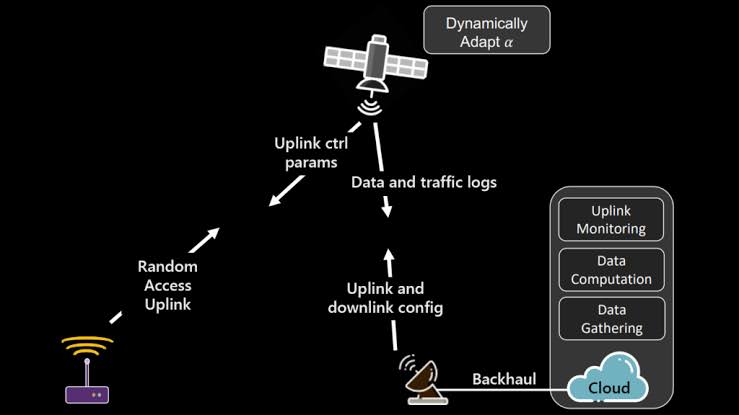
Next-Gen Internet Technologies are changing how people, businesses, devices, and digital services connect with each other. The internet is no longer limited to traditional broadband, Wi-Fi, and mobile networks. New developments in satellite connectivity, edge computing, advanced wireless communication, intelligent networking, and optical technologies are creating faster and more flexible ways to move data.
As connected devices continue to grow, older networking approaches can face challenges such as latency, congestion, coverage limitations, and increasing data demands. Next-Gen Internet Technologies aim to address these problems by making connectivity more intelligent, responsive, reliable, and accessible. From remote communities to smart cities and future digital services, these technologies could significantly influence how the internet evolves.
Table of Contents
- Next-Gen Internet Technologies and Satellite Connectivity
- Edge Networking for Faster Data
- Advanced Wi-Fi Technologies
- 5G and Future Wireless Networks
- Quantum Networking
- Optical Internet Technologies
- AI-Powered Networking
- The Future of Next-Gen Internet Technologies
1. Next-Gen Internet Technologies and Satellite Connectivity
One of the most important areas within Next-Gen Internet Technologies is satellite-based connectivity. Traditional internet infrastructure depends heavily on cables, towers, and physical network equipment, which can be difficult or expensive to deploy in remote locations.
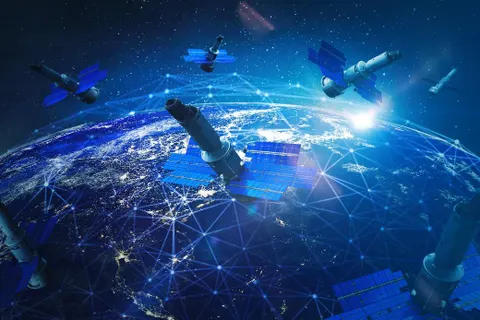
Modern satellite networks are changing this situation by using large groups of satellites to provide internet coverage across wider geographic areas. Newer satellite systems are also designed to reduce communication delays compared with older satellite internet services.
This technology could be particularly useful for rural communities, ships, aircraft, disaster-response operations, and areas where traditional infrastructure is limited. Instead of waiting years for expensive physical infrastructure, some locations may gain access to internet connectivity through satellite networks.
Why Next-Gen Internet Technologies Need Better Coverage
Global connectivity depends not only on speed but also on availability. A fast internet connection is not very useful if people cannot access it where they live or work. Satellite connectivity can help expand the reach of digital services and create additional options for locations that are difficult to connect through traditional infrastructure.
2. Edge Networking for Faster Data
Another major development among Next-Gen Internet Technologies is edge computing and edge networking. Traditional cloud computing often sends information to centralized data centers for processing. While this model works well for many applications, it can create delays when huge amounts of data need to travel long distances.
Edge computing moves some processing closer to the user or device. Instead of sending every piece of information to a distant data center, local or nearby computing systems can process important data closer to its source.
This approach can be valuable for autonomous vehicles, industrial machines, smart cities, gaming, healthcare technologies, and real-time AI applications. Faster processing can reduce latency and allow connected systems to react more quickly.
How Edge Connectivity Improves Digital Experiences
Imagine a smart factory where machines continuously produce sensor data. Sending every signal to a distant cloud server could create unnecessary delays. With edge networking, some decisions can be processed locally, allowing machines to respond much faster.
This makes edge infrastructure an important part of Next-Gen Internet Technologies, particularly as connected devices generate increasingly large amounts of information.
3. Advanced Wi-Fi Technologies
Wi-Fi continues to evolve as more devices compete for wireless bandwidth. New generations of Wi-Fi are designed to improve performance in environments where many devices are connected simultaneously.
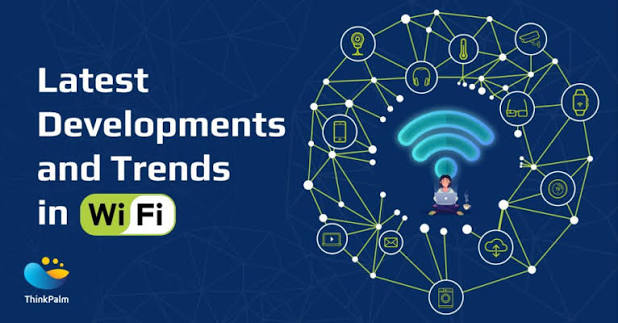
Modern Wi-Fi technologies can provide improvements in efficiency, latency, capacity, and network management. These developments are especially important for homes, offices, schools, stadiums, airports, and other crowded environments.
The future of wireless connectivity will not simply depend on increasing speed. Networks also need to handle large numbers of devices while maintaining stable performance.
Next-Gen Internet Technologies Inside Smart Homes
Smart homes may contain phones, televisions, security cameras, appliances, speakers, sensors, computers, and other connected devices. As this ecosystem grows, advanced wireless networking becomes increasingly important.
Better Wi-Fi technologies can help these devices communicate more efficiently while supporting the growing demand for connected services.
4. 5G and Future Wireless Networks
5G has already introduced major improvements in mobile connectivity, but wireless networking is continuing to develop. Future networks are expected to focus on higher capacity, lower latency, improved reliability, and better support for massive numbers of connected devices.
This makes advanced wireless communication one of the most important areas of Next-Gen Internet Technologies.
Future wireless networks could support applications that require highly responsive connections, including robotics, immersive digital experiences, connected transportation, industrial automation, and advanced remote services.
The Next Step After Today’s Mobile Networks
The evolution of wireless networks is not simply about downloading files faster. Future connectivity will need to connect people, machines, sensors, vehicles, and intelligent systems simultaneously.
As this transition continues, wireless infrastructure could become a fundamental platform for many technologies that currently remain limited by connectivity requirements.
5. Quantum Networking
Quantum networking represents one of the more experimental areas of Next-Gen Internet Technologies. Instead of transmitting information using only traditional methods, quantum networks use principles from quantum physics to enable new approaches to communication and security.
Researchers are exploring quantum communication for applications such as secure information exchange and connections between quantum computers.
Quantum networking is still an emerging field, and widespread consumer use is not yet a reality. However, continued research could eventually create specialized networks that operate alongside traditional internet infrastructure.
Why Quantum Networking Matters
The growth of digital services has increased interest in stronger communication security. Quantum technologies may eventually provide new methods for protecting sensitive information and connecting quantum computing systems.
For this reason, quantum networking remains an important long-term research direction within Next-Gen Internet Technologies.
6. Optical Internet Technologies
Optical communication is another powerful direction for future connectivity. Fiber-optic networks already use light to transmit enormous amounts of data, but researchers and companies continue developing faster and more efficient optical technologies.
Future optical networking could improve the capacity of internet infrastructure while helping data travel efficiently across long distances.
As artificial intelligence, cloud computing, streaming, and connected devices generate more traffic, network capacity becomes increasingly important.
Next-Gen Internet Technologies and Growing Data Demand
The amount of information moving across global networks continues to increase. More AI services and connected devices mean that internet infrastructure must constantly evolve.
Advanced optical technologies could help network operators manage this growing demand by increasing bandwidth and improving how information moves through major communication systems.
7. AI-Powered Networking
Artificial intelligence is becoming increasingly important in network management. AI-powered networking can analyze large amounts of network data and help identify unusual activity, congestion, performance problems, or changing traffic patterns.
Instead of relying entirely on manual network management, intelligent systems can potentially automate some decisions and optimize network performance.
This is one of the most interesting Next-Gen Internet Technologies because AI could become part of the infrastructure responsible for managing the internet itself.
Smarter Networks for a Connected Future
A future network may constantly analyze its own performance and adjust resources according to demand. During periods of heavy traffic, intelligent systems could help distribute resources more efficiently. When unusual behavior appears, automated systems could also assist with detection and response.
The combination of AI and networking could therefore make future internet infrastructure more adaptive and responsive.
The Future of Next-Gen Internet Technologies
The future of Next-Gen Internet Technologies will likely involve several technologies working together rather than one single replacement for today’s internet. Satellite networks can expand coverage, edge computing can reduce latency, advanced Wi-Fi can improve local connections, and future wireless systems can support massive numbers of connected devices.
At the same time, optical networking can provide greater backbone capacity while AI can help manage increasingly complex infrastructure. Quantum networking may remain a specialized technology for longer, but its development could eventually introduce new possibilities for secure communications and quantum computing.
The biggest change may be that internet connectivity becomes increasingly invisible. Instead of thinking about the internet as something accessed through a single device, people may experience connectivity through vehicles, appliances, wearable devices, smart environments, industrial systems, and other connected technologies.
Conclusion
Next-Gen Internet Technologies are moving connectivity toward a future that is faster, more intelligent, more flexible, and capable of supporting billions of connected devices. Satellite networks, edge computing, advanced Wi-Fi, future wireless systems, quantum networking, optical communication, and AI-powered networks each address different challenges facing modern connectivity.
These technologies are developing at different speeds, and some remain experimental. However, together they demonstrate how the internet could evolve beyond today’s traditional networking model. As digital services continue to expand, better connectivity will become an increasingly important foundation for the next generation of technology.